
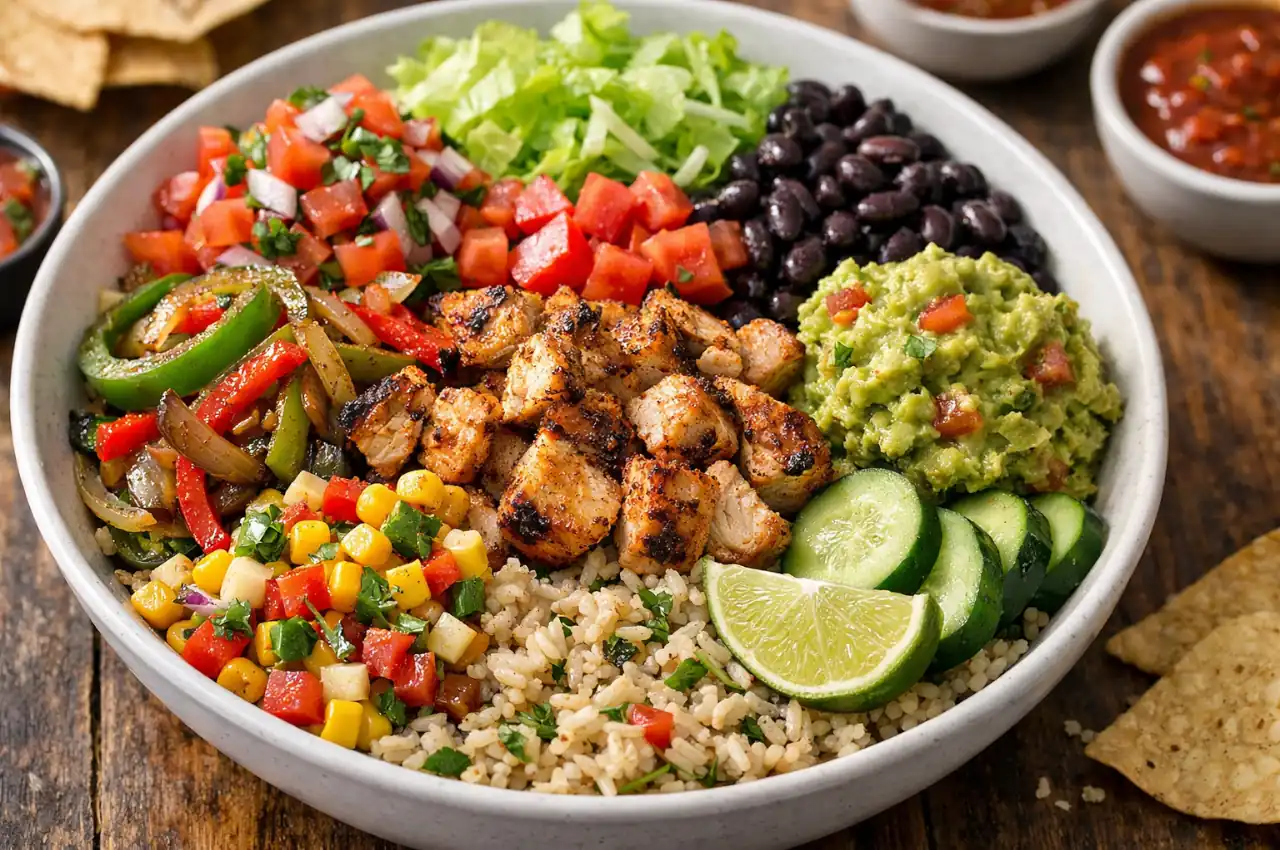
When most people try to order from the Moes Low Calorie Menu, they usually make the same mistake: they focus on the entrée and forget the extras. A burrito that looks “healthy” can quickly stop being a low-calorie meal once chips, queso, dressing, or a full scoop of rice get added automatically. That’s why Moe’s can be a good option for calorie-conscious eating — but only if you know which ingredients matter most.
The good news is that Moe’s build-your-own format gives you more control than most fast-casual chains. In practice, the biggest calorie levers are usually the tortilla, rice, cheese, queso, guacamole, and chips — not the salsa or veggies. So, if your goal is staying under 500 calories, the smartest approach is simple: keep the base lighter, choose a lean protein, use beans strategically, and treat high-calorie add-ons like dressing or guac as optional instead of automatic.
Below, I’ll walk through realistic Moes Low Calorie Menu orders that are built to stay around or under 500 calories based on common ingredient portions. These are best used as practical estimates, not exact guarantees, because portions can vary by location and by who’s building your meal. For the closest match, compare your final order against Moe’s official nutrition information when available.
Also Read: Moe’s Chips Calories: The Side That Can Wreck Your Diet
Fact-checked disclaimer: Nutrition data on this page is sourced from Moe’s Southwest Grill’s official published nutrition information and verified against the USDA Food Database. Calorie estimates are approximate and may vary by location.
This article is for informational purposes only and is not a substitute for professional dietary advice.
Quick Picks from the Moes Low Calorie Menu
If you want the fastest options to order, these are the easiest low-calorie builds to start with:
Best default choice: Start with the Chicken & Black Bean Bowl if you want the most reliable mix of fullness and calorie control.
Why the Moes Low Calorie Menu Works Better Than Most Fast-Casual Chains
Moe’s is easier to manage than many fast-casual restaurants because the menu is highly customizable. That matters because low-calorie ordering is rarely about finding one “perfect” item — it’s usually about controlling the biggest calorie drivers. At Moe’s, those are typically the tortilla, rice, queso, cheese, sour cream, guacamole, and chips. Ingredients like lettuce, pico, salsa, jalapeños, onions, and fajita-style veggies usually matter much less.
If you only remember one rule from this Moes Low Calorie Menu guide, make it this: control the calorie-dense extras first, then build around protein and volume. In other words, it usually matters more to skip chips and heavy dressing than to obsess over whether you picked chicken or steak.
Because Moe’s is a build-your-own restaurant, calorie totals are best treated as reasonable estimates based on standard ingredient portions, not exact guarantees. Portion sizes can vary by employee and location, so it’s smart to use these examples as a starting point and then compare them with Moe’s official menu and nutrition tools when possible.
5 Best Moes Low Calorie Menu Orders Under 500 Calories
These are the easiest Moes Low Calorie Menu builds to order if your goal is staying around or under 500 calories without ending up hungry an hour later.
Important: These are custom order ideas built from common Moe’s ingredients, not exact official menu item calorie totals. Use them as practical estimates and adjust for portion size at your location.
1) Chicken & Black Bean Bowl
- Base: Lettuce
- Protein: Chicken (single portion)
- Beans: Black beans (regular or slightly light portion if you want more room for toppings)
- Toppings: Pico de gallo, salsa, jalapeños, onions, cilantro
- Skip: Rice, cheese, sour cream, queso, guacamole, chips
Total: about 330–400 calories, depending on portion size and how generous the bean scoop is.
Best for: The most reliable everyday low-calorie lunch if you want protein and fiber without a tortilla.
Why it works: This is one of the safest options on the Moes Low Calorie Menu because it focuses on the two things that usually help most with fullness: protein and fiber. The main tradeoff is that if your location serves a large bean scoop, the calories can climb faster than expected. If you want to stay closer to the low end, ask for light beans before you cut out the salsa or veggies. In most cases, reducing the bean portion slightly matters more than worrying about pico.
2) Junior Chicken Burrito
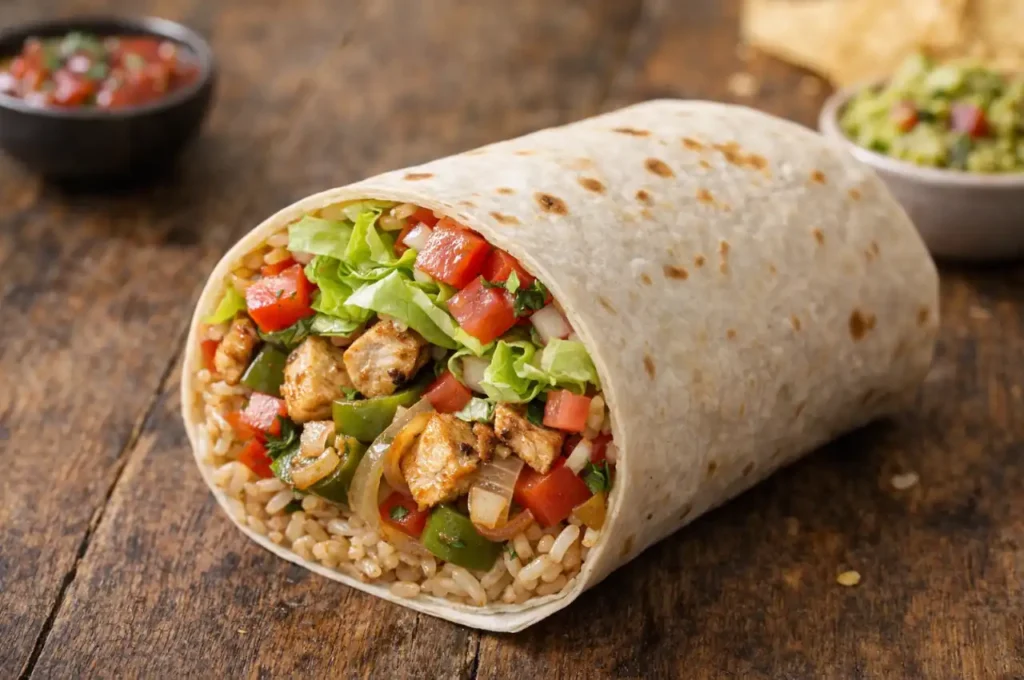
- Order: Junior burrito
- Protein: Chicken
- Fillings: Light rice, black beans, pico de gallo, lettuce
- Skip: Cheese, sour cream, queso, guacamole
Total: about 400–480 calories, depending on tortilla size and how heavy the rice and beans are at your location.
Best for: When you want a real burrito but still need portion control.
Why it works: On the Moes Low Calorie Menu, the tortilla is often the biggest built-in calorie cost in a burrito, so using the junior size matters more than chasing tiny topping changes. If you want the burrito experience without accidentally pushing over 500 calories, the best move is usually light rice first, not “no salsa” or “no lettuce.” The tradeoff here is that burritos can look smaller than bowls, so if you’re very hungry, a bowl with extra lettuce or fajita veggies may feel more satisfying for the same calorie range.
3) Two Tacos with Leaner Fillings
- Base: Two tacos
- Best lower-calorie filling choices: Chicken or steak in moderate portions
- Toppings: Lettuce, pico de gallo, salsa
- Optional: Light cheese if it still fits your target
- Skip: Queso, sour cream, heavy extras on the side
Total: about 350–450 calories, depending on shell type, protein choice, and cheese portion.
Best for: A more satisfying “meal feel” with built-in portion limits.
Why it works: Tacos can be a smart Moes Low Calorie Menu choice because they naturally create portion boundaries. The key judgment call is this: shell type and add-ons usually matter more than the salsa. If you want to keep this closer to the lower end, skip the side chips and keep cheese light. If you want the most filling version, chicken or steak with extra lettuce and salsa usually works better than adding queso.
4) Custom Steak Salad
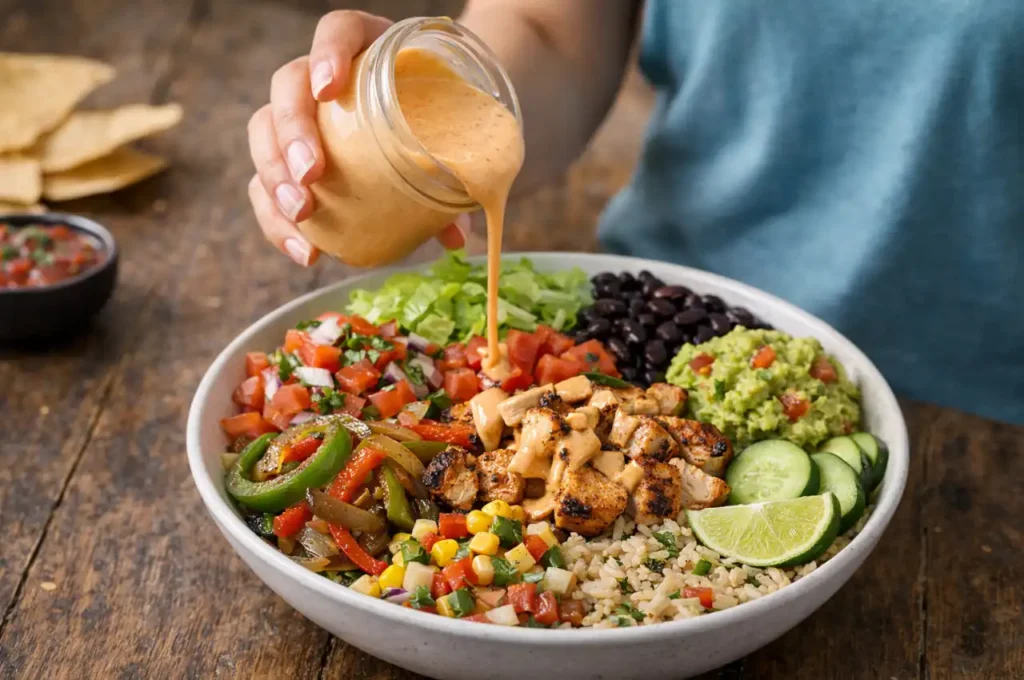
- Base: Lettuce or salad mix
- Protein: Steak (single portion)
- Veggies: Pico de gallo, onions, peppers, jalapeños
- Optional extras: Small amount of cheese or a small scoop of guacamole (not both if you want more calorie control)
- Dressing: On the side, and use lightly
Total: about 420–500 calories, depending on dressing amount and whether you add cheese, guacamole, or both.
Best for: When you want a larger plate and don’t mind watching the dressing closely.
Why it works: Salads can fit the Moes Low Calorie Menu, but they’re also one of the easiest places to underestimate calories. The biggest mistake people make is assuming “salad” automatically means lower-calorie, then adding full dressing, cheese, and guac without adjusting anything else. If you want this to stay reliably under 500, choose one richer add-on, not several. In practice, dressing control usually matters more than whether you use pico or onions.
5) Vegetarian Bowl with Beans & Salsa
Base: Lettuce
Protein/fiber base: Black beans or pinto beans
Toppings: Pico de gallo, salsa, onions, jalapeños, cilantro, extra lettuce
Optional: Fajita veggies if available
Skip: Rice, tortilla, cheese, sour cream, queso, chips
Total: about 280–420 calories, depending on bean portion and any added extras.
Best for: A meatless option that still feels filling without relying on chips or queso.
Why it works: If you want a meatless option from the Moes Low Calorie Menu, this is much more realistic than trying to invent a custom off-menu order. Beans can make a bowl surprisingly filling because they add fiber and some protein, but they’re also the main calorie source here — so this is a good example of a tradeoff. If you’re hungry often after lighter meals, keeping the beans and skipping the chips usually works better than removing the beans and adding snack calories later.
Common Mistakes People Make with the Moes Low Calorie Menu
The most common mistake with the Moes Low Calorie Menu is counting only the entrée and forgetting the extras. A bowl may look like a low-calorie lunch, but if you add chips, queso, a sugary drink, and a heavy dressing, the total can jump far beyond what you planned.
Here are the mistakes that matter most:
If you only fix one habit, fix this one: track the full meal, not just the main item.
Best Strategies to Use the Moes Low Calorie Menu Successfully
If you want the Moes Low Calorie Menu to actually work in real life, focus on the changes that create the biggest calorie difference — not the smallest ones.
1) Skip liquid calories first.
Water, unsweetened tea, or a zero-calorie drink is usually the easiest win. Sweetened drinks can add a surprising amount of calories without making the meal more filling. That’s one reason the Dietary Guidelines for Americans consistently recommend limiting added sugars and choosing nutrient-dense foods more often.
2) Treat chips like a separate decision, not an automatic side.
For many people, chips are what quietly break the calorie budget. If your goal is a sub-500 lunch, the chips often matter more than whether you picked steak or chicken.
3) Use “light rice” before you remove everything else.
A lot of people over-cut flavor and then end up hungry later. A better move is to keep protein, beans, salsa, and veggies, then reduce rice or tortilla size first.
4) Ask for dressing on the side every time.
This matters more than most people think. A salad can still fit the Moes Low Calorie Menu, but dressing is often the real calorie swing.
5) Build for fullness, not just for the lowest number.
The goal is not to create the tiniest meal possible. The goal is to build something you can repeat. In practice, protein + fiber + volume usually works better than an ultra-light meal that leads to snacking an hour later.
How to Adjust the Moes Low Calorie Menu After 1–2 Weeks
The best Moes Low Calorie Menu order is the one you can repeat consistently and still feel good after eating it. That’s why it helps to review your results after 1–2 weeks instead of changing everything after one meal.
Here’s a simple way to adjust:
This isn’t medical advice, and there’s no single “perfect” calorie target for everyone. The point is to make practical changes based on how your body, hunger, and routine respond over time.
Quick ordering script (copy/paste for the counter)
“Hi — can I get a junior chicken burrito with light rice, black beans, pico, lettuce, no cheese, and no sour cream? And just water, please.”
Short, specific orders help because they reduce default add-ons and make it easier to stick to your calorie target without overthinking it at the counter.
What to Avoid First on the Moes Low Calorie Menu
If you only change three things at Moe’s, change these first: skip the chips, ask for dressing on the side, and reduce the rice before removing flavor-heavy low-calorie toppings like salsa or pico. Those three moves usually make a bigger difference than obsessing over tiny ingredients, and they make the Moes Low Calorie Menu much easier to stick with long term.
Conclusion
The Moes Low Calorie Menu is less about finding one magical “healthy” item and more about knowing which ingredients actually move calories up or down. In most cases, the big wins come from controlling tortillas, rice, chips, dressing, queso, and guacamole — not from stressing over pico or lettuce.
If you want the most repeatable strategy, start with a bowl, keep protein and beans reasonable, load up on salsa and veggies, and treat extras like chips or creamy add-ons as optional. Then review how those meals work for you after a week or two. If you’re still hungry, increase volume before increasing snack calories. If progress stalls, check the add-ons first.
That’s what makes the Moes Low Calorie Menu practical: it gives you enough flexibility to eat what you enjoy without turning every lunch into a guessing game.